
Shared Vision
The members of the PGS share a common goal based on a shared need and collectively embrace the principles of PGS and organic agriculture.
Participatory Guarantee System · Western Cape
We are a locally focused quality assurance group. Members assess one another against the SAOSO organic standard, on each other's farms, in the open — built on trust, social networks and knowledge exchange, not a distant inspector.
A PGS is defined by IFOAM-Organics International as a locally focused quality assurance system.
PGS South Africa
Member group
SAOSO v2.1 (2026)
The standard we assess against
6 basic elements
The PGS way of working
R100 / year
Farmer & consumer membership
The PGS
A Participatory Guarantee System is not an inspection regime. It is a group of peers who hold each other to a shared standard. These six elements are what make it a PGS rather than a certificate bought from an agency.
The members of the PGS share a common goal based on a shared need and collectively embrace the principles of PGS and organic agriculture.
An integrity-based approach: trust and integrity form the ethical basis of the system.
A flat, equitable organisational structure, developed and managed by peers and not by a top-heavy management structure. All are responsible, all are accountable.
The system is open to public, stakeholder and peer scrutiny at all levels.
The members participate in the development and management of the process and procedures of the PGS, which is owned, controlled and determined by the collective.
The assessments and the site visit process focus on skills and knowledge exchange, both in traditional knowledge and in innovations. Local knowledge and experience from fellow farmers — the soil, the climatic conditions and the market — is particularly useful and relevant for all farmers in the group.
Definitions quoted from the South African Organic Certification Landscape (PGS SA).
“Participatory Guarantee Systems are locally focused quality assurance systems. They certify producers based on active participation of stakeholders and are built on a foundation of trust, social networks and knowledge exchange.”
Membership procedure
Every prospective farmer and producer member follows the same path, in the same order. It is set out in the group's Principles, Policies and Procedures.
Approach the group as a prospective farmer or producer member.
Initial contact
Sign the farmer member pledge. A recorded verbal pledge is accepted where reading is a barrier.
Ethical agreement
Supply the group with the information it needs to assess your operation.
Farm dossier
Familiarise yourself with the Basic Production Principles and the SAOSO standard.
Self review
A peer assessment team visits the farm and works through the assessment.
Peer verification
The committee reviews the findings and records a decision.
Formal record
From the member farms
Every farm in the group is visited by peers. These are the crops, animals and seed that the visits are about — photographed on member farms in the Outeniqua.
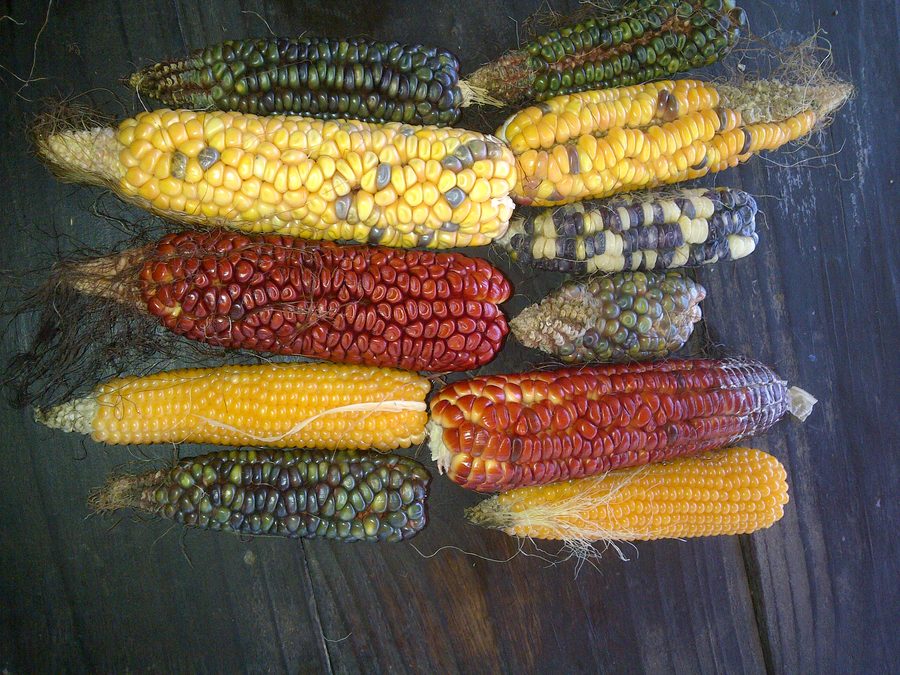
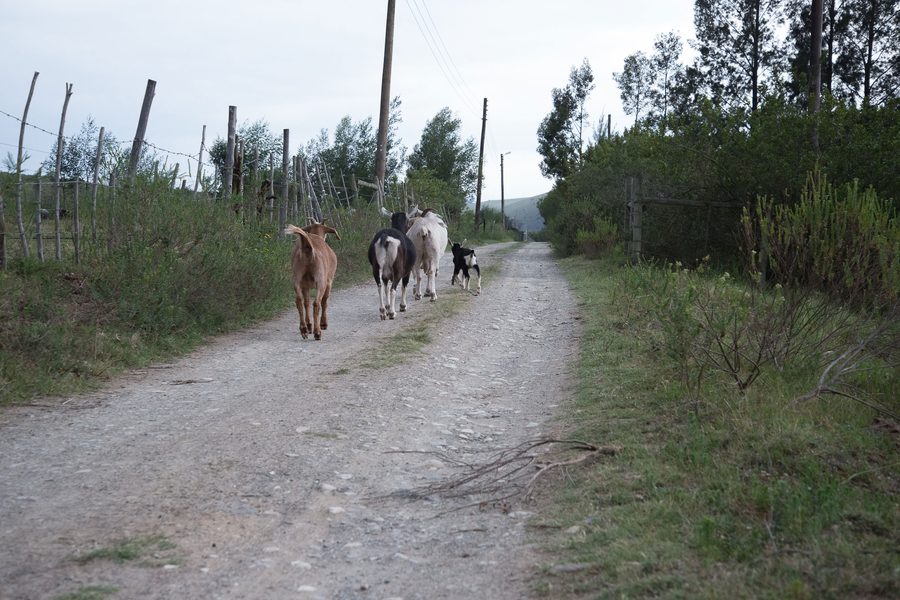
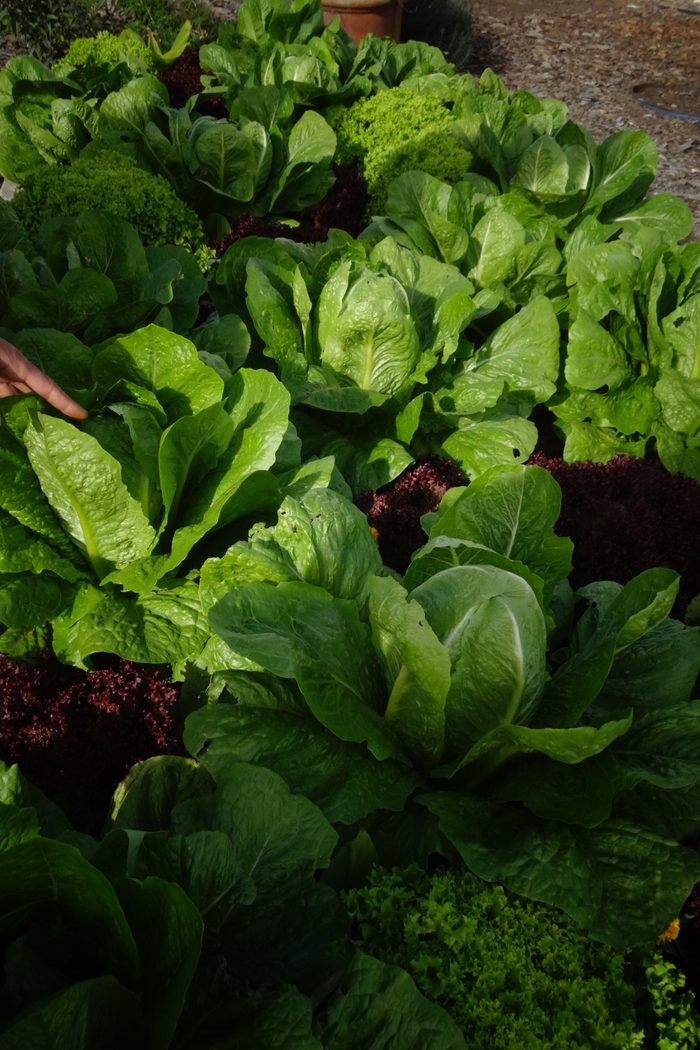
Photographs are from member farms. farm attribution & consent to confirm
Fees
Fees are set on a cost-recovery basis and approved by the members at the annual general meeting. The assessment fee reflects the scale and commercial intensity of the farm.
Which band are you in?
Turnover is self-declared and subject to peer review. You tell us the band you fall in; we do not estimate it for you. If you are uncertain, ask the administrator and the group will work it out with you before the visit.
Fees are payable before the farm assessment visit, per the group's procedures.
| Annual turnover | Initial | Renewal |
|---|---|---|
| Below R250 000 | R1 500 | R900 |
| R250 001 – R500 000 | R2 500 | R2 000 |
| R500 001 – R1 000 000 | R3 000 | R2 500 |
| R1 000 001 – R2 500 000 | R3 700 | R3 200 |
| R2 500 001 – R5 000 000 | R5 000 | R5 000 |
| Above R5 000 000 | R8 000 | R8 000 |
Fees are per farm assessment visit. Transport for the administrator is charged separately at the AA rate; visits are clustered geographically wherever possible to reduce that cost. Renewal fees apply only where no significant changes to land, production system or inputs have occurred. Only fully paid-up members are eligible for a farm assessment.
Documents
The standard, our own procedures, the Basic Production Principles, the certification landscape and the blank checklists. No Drive links, no permission requests — stable addresses you can bookmark and cite.
SAOSO Organic Standard v2.1
Principles, Policies & Procedures
Basic Production Principles
Certification Landscape
Farm Visit Preparation List
Checklist — Crops
Checklist — Crops & Animals
Checklist — Seed Production
Farm visit reports & application dossiers
Ask the standard
Ask a question about the standard, our procedures or the certification landscape. Answers are drawn only from the documents above, and every answer cites the passage it came from. If the documents do not cover your question, we will say so rather than guess.
When the standard answers Case A
What is the membership fee for a farmer?
Annual farmer and consumer membership is R100. On top of that, the group pays an annual PGS South Africa membership fee of R500, which is funded from the membership fees collected.
OPP §2.1 Fees
When it does not Case B
Do I need EU organic certification to export to Germany?
I could not find this in the documents this group publishes. I can answer from the SAOSO Organic Standard, our Principles, Policies and Procedures, the Basic Production Principles, and the SA Organic Certification Landscape — and none of them covers EU market access. Please ask the administrator.
Members
The people and farms listed here are members of the Outeniqua Natural and Organic PGS group. Membership of the group is not a certification, and does not by itself mean that a farm is certified organic. A certification decision is a separate judgement made by the group's certification committee against the SAOSO standard, and is recorded as such. Please do not read this list as a claim about any farm's organic status.
The member list is being prepared for publication. names & consent — POPIA